

In another edition of How to Beat Your Mom at Chess, I teach Fabian how to defend against the Scotch Opening as Black.
Along the way, we touch on some more general topics related to choosing openings, like what types of questions you should be asking when picking one. Do you like it? Is it any good? Are opponents at your level likely to make mistakes against it?
The Scotch clicks at least two of these buttons for White. After 1. e4 e5 2. Nf3 Nc6 3. d4 Nxd4 4. Nxd4, nearly half the games from the lichess database (screenshot below) continue with the toothless 4….Nxd4 giving White a great position right away.
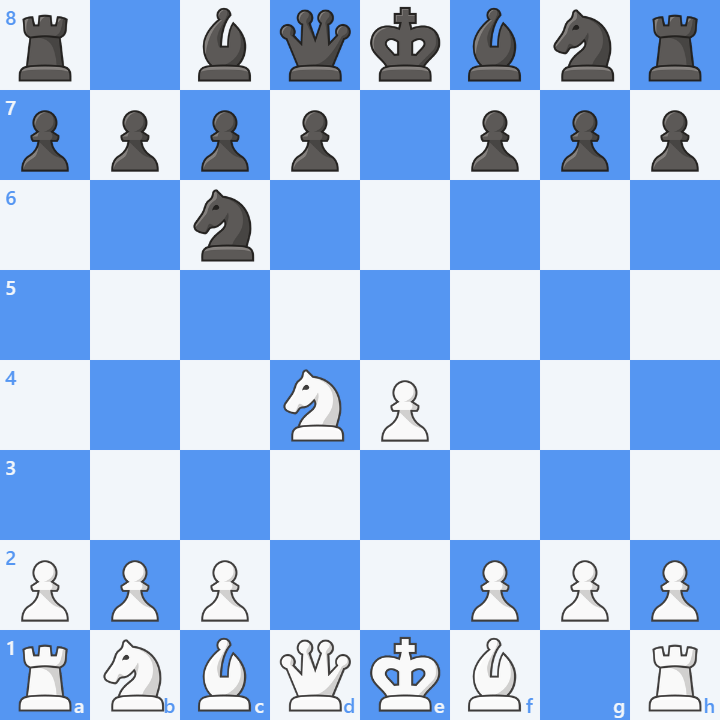
After 4…Nxd4 5. Qxd4, there’s no effective way to take advantage of the queen in the center. 5…c5 is positionally disastrous, 5…d6 is very passive and 5…Nf6 is awful after 6. e5. The best move is probably 5….Qf6 but even then 6. Be3 or 6. e5 and White is happy.
Comparing the top choices in the database shows us that amateur and master players diverge greatly in their fifth move choices.


While the main database games include many random blitz and bullet games, from looking at scholastic scoresheets I can say that 4…Nxd4 occurs across a variety of time controls.
Beyond the opening, we also talk about one of my favorite tactics, the Intermezzo, and Fabian ends with a request for you all to subscribe to us here1….Or Else!
On my bookshelf this week: Sunrise in the South Bronx by David MacEnulty, an advance copy of my own Thinking Sideways and Danny Rensch’s Dark Squares.
You can also sub to these videos at https://www.youtube.com/@JennferShahade


